The Poetics of Light and Silence
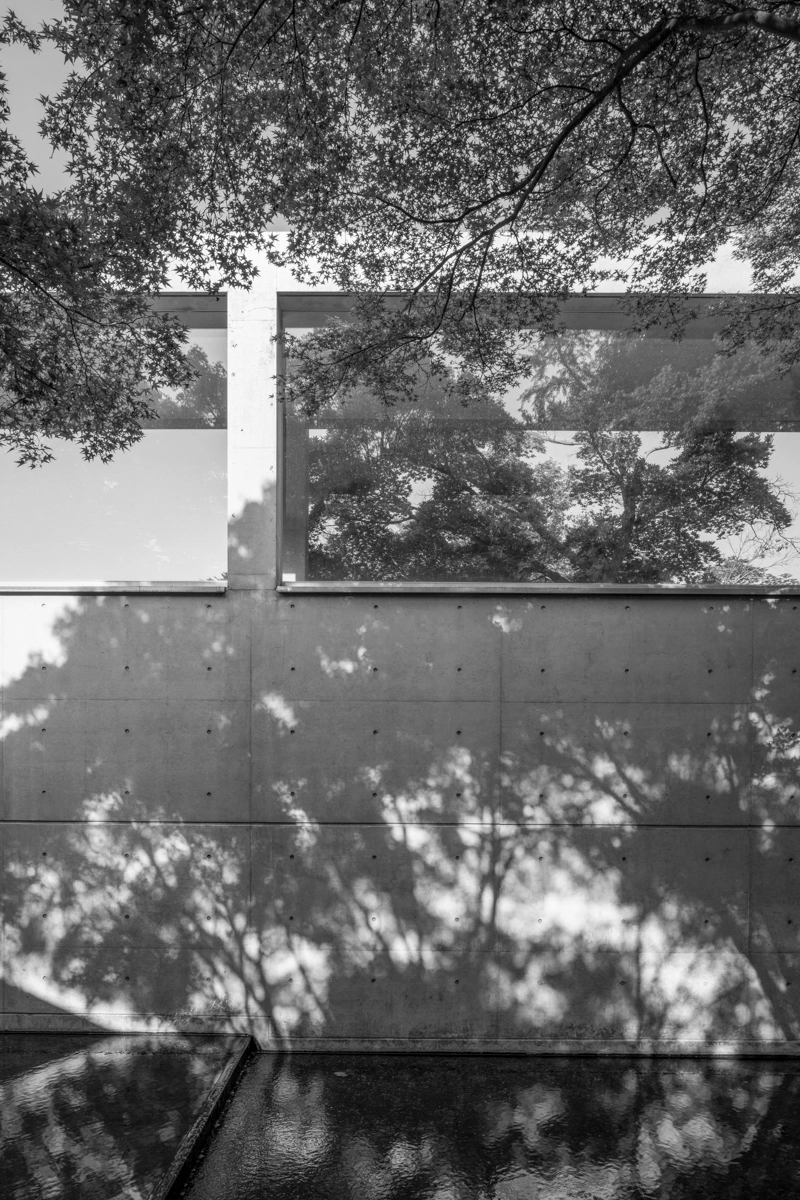
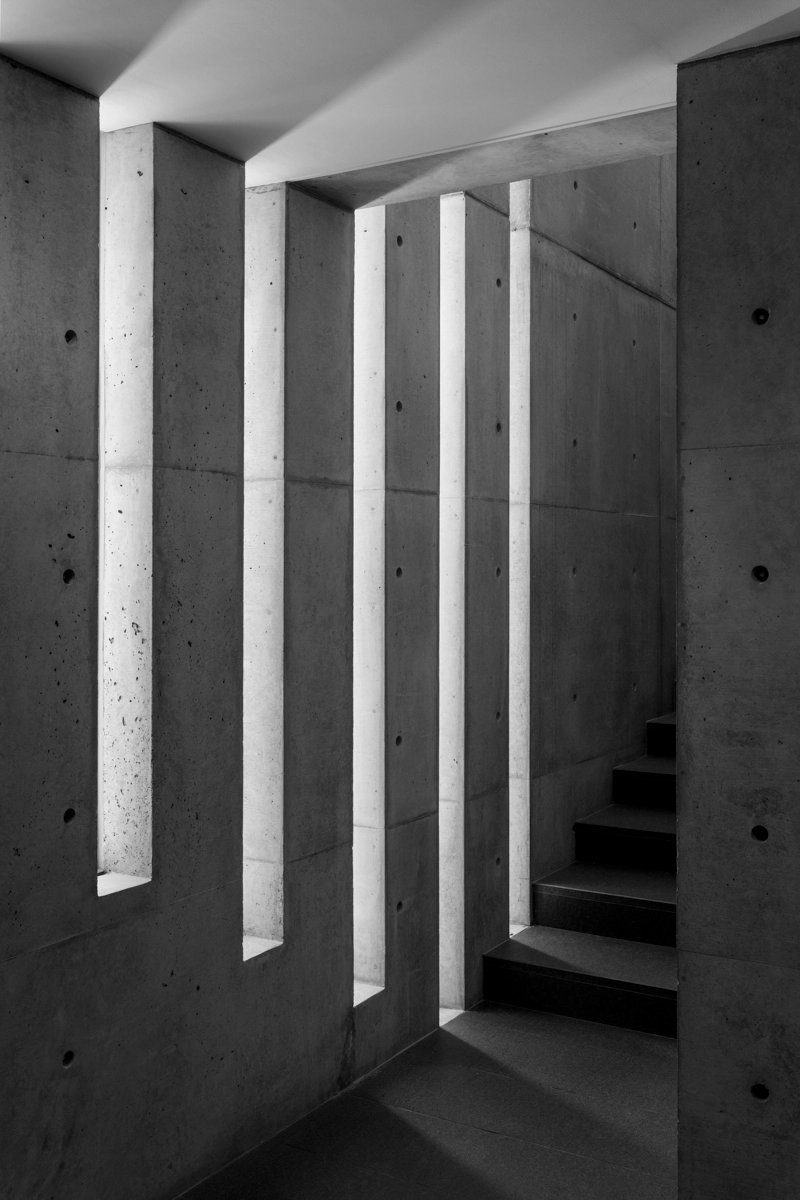
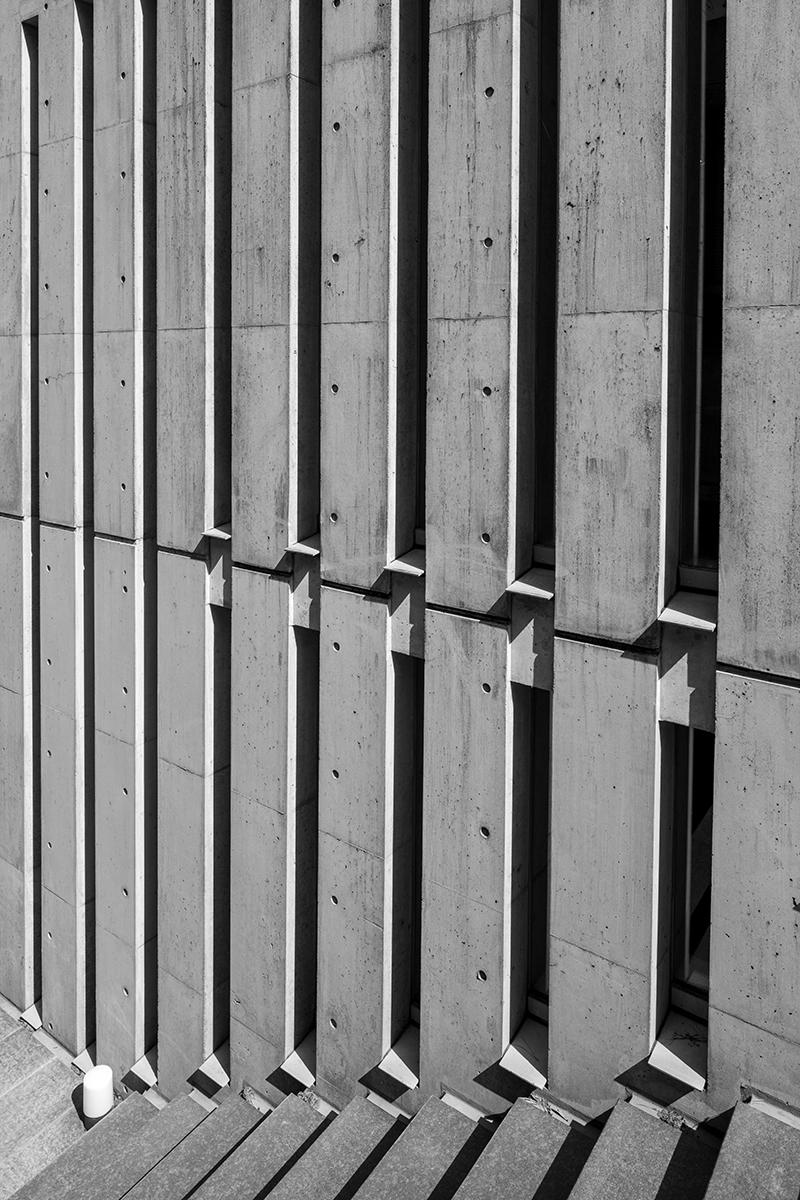
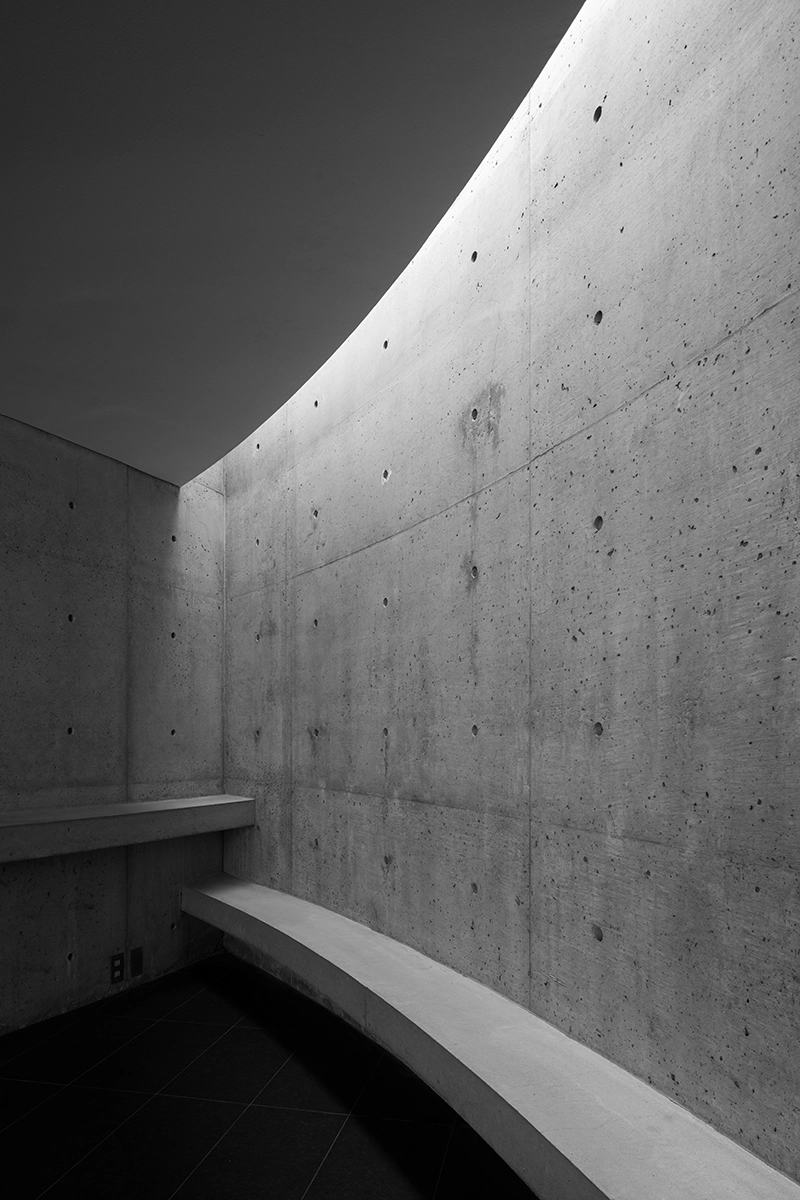
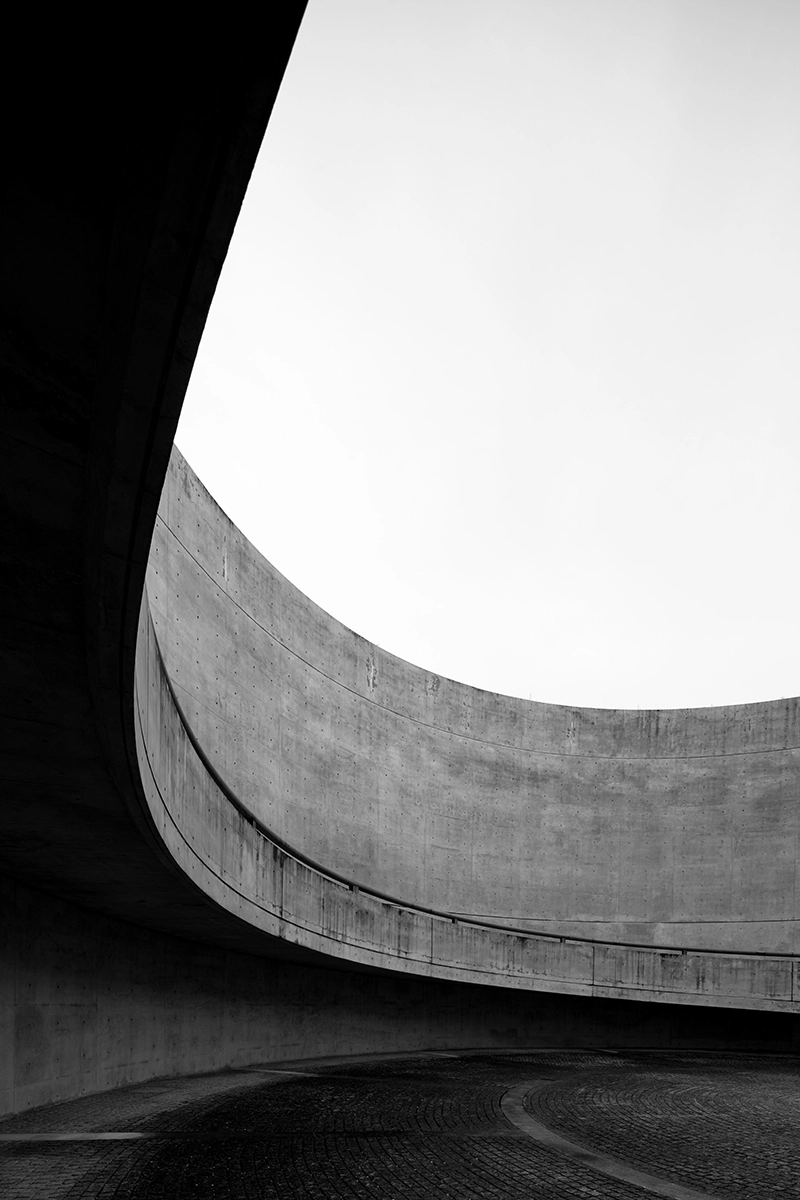
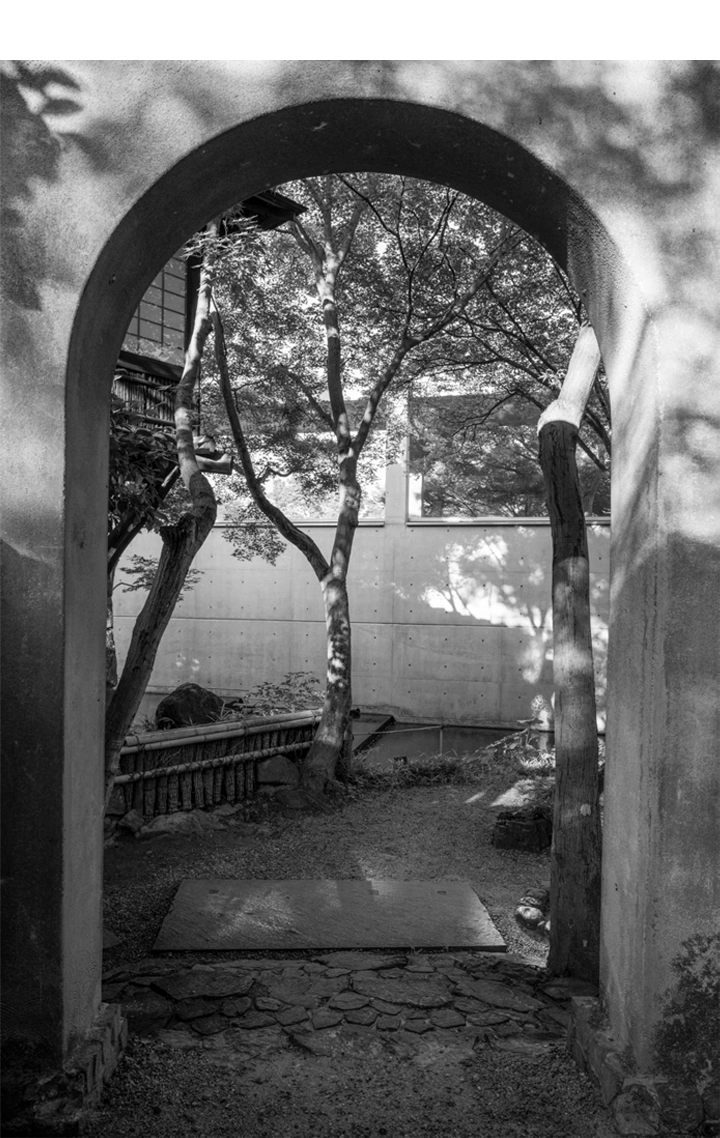
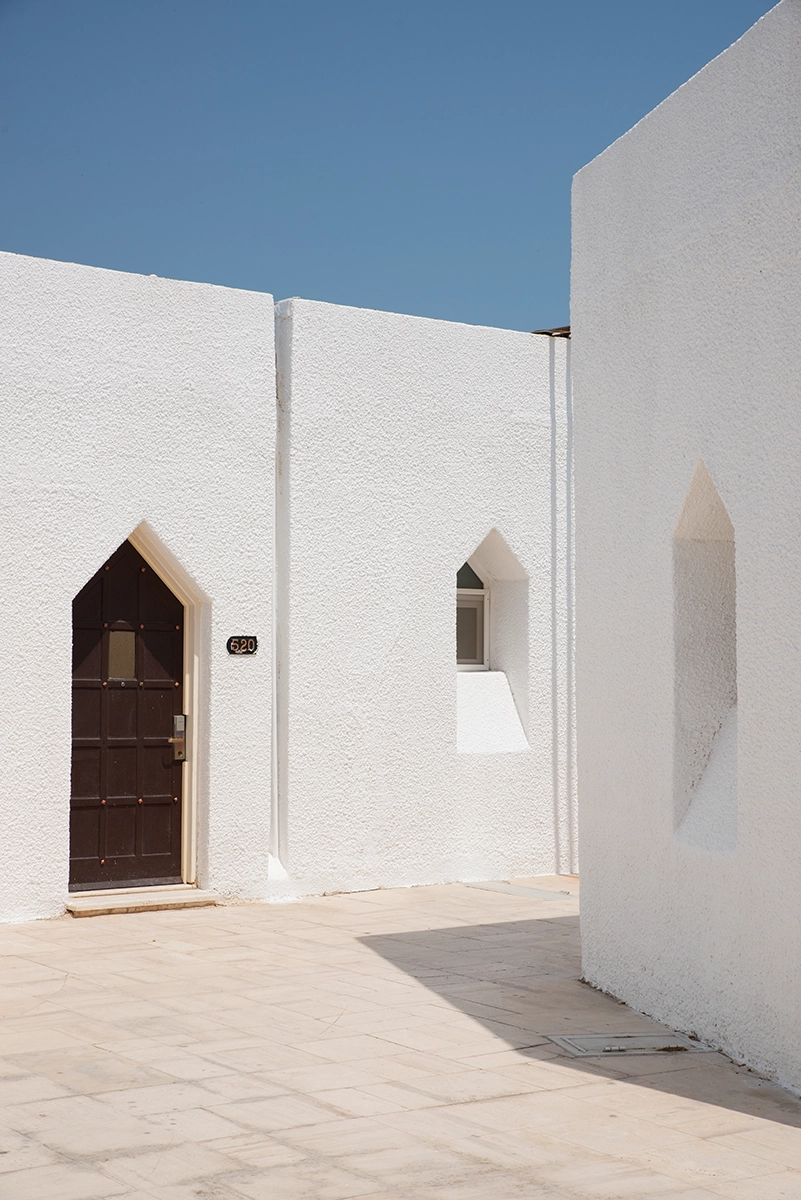
This body of work draws on the notion of Genius Loci—the spirit of place—as a condition that emerges beyond geography, form, and representation. It is not concerned with documenting a specific location, but with revealing how space becomes perceptible through atmosphere, light, and absence.
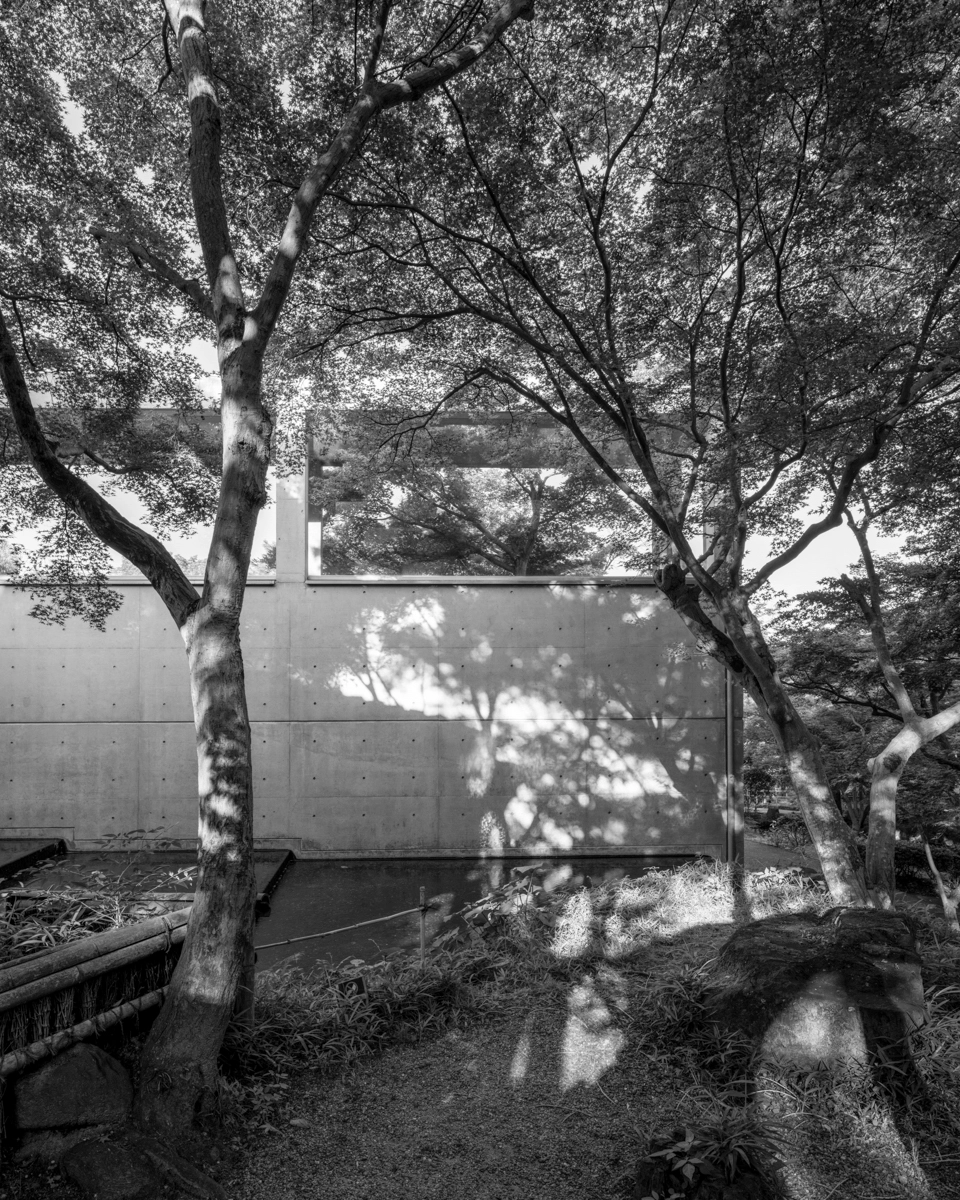
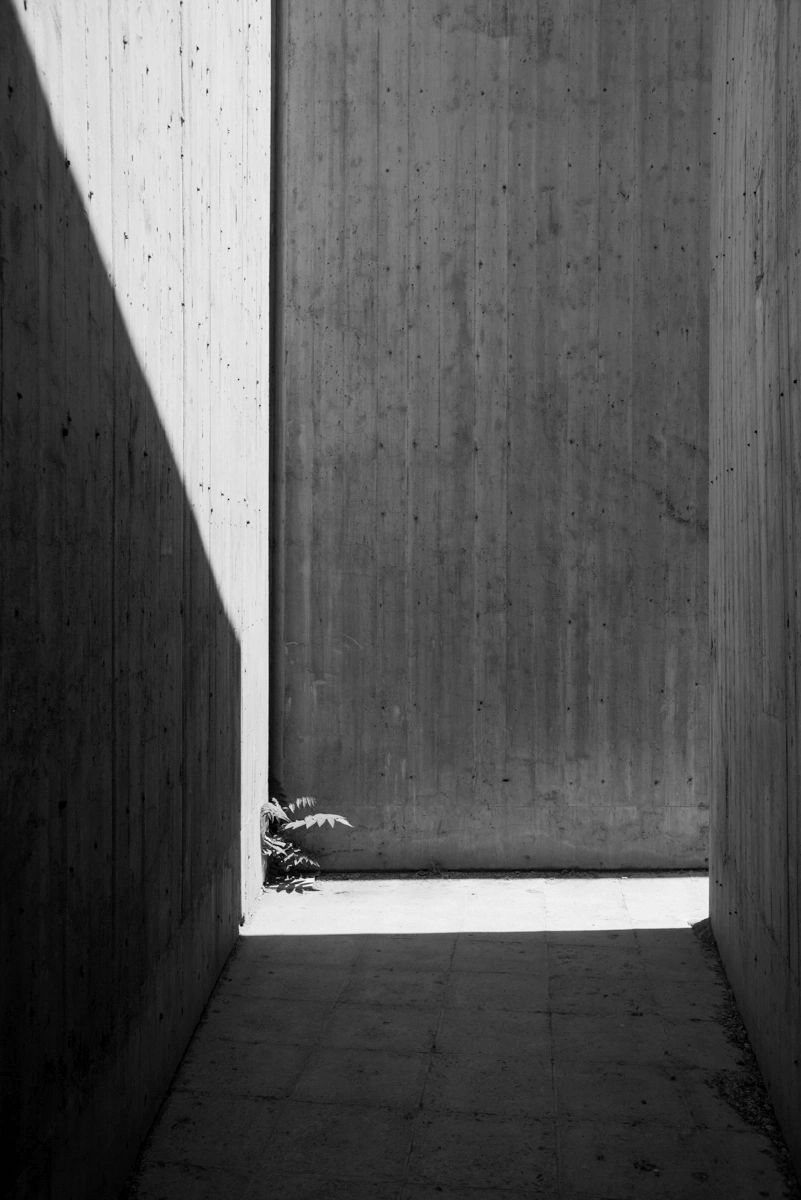
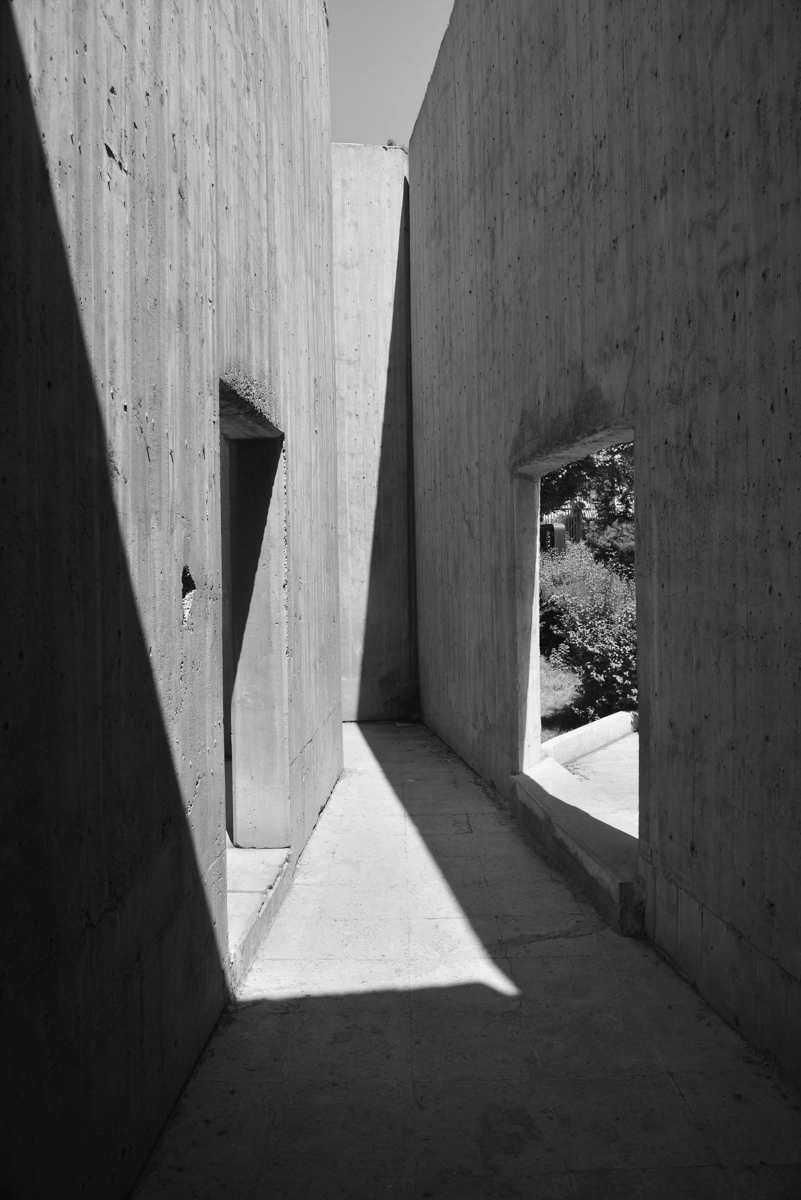
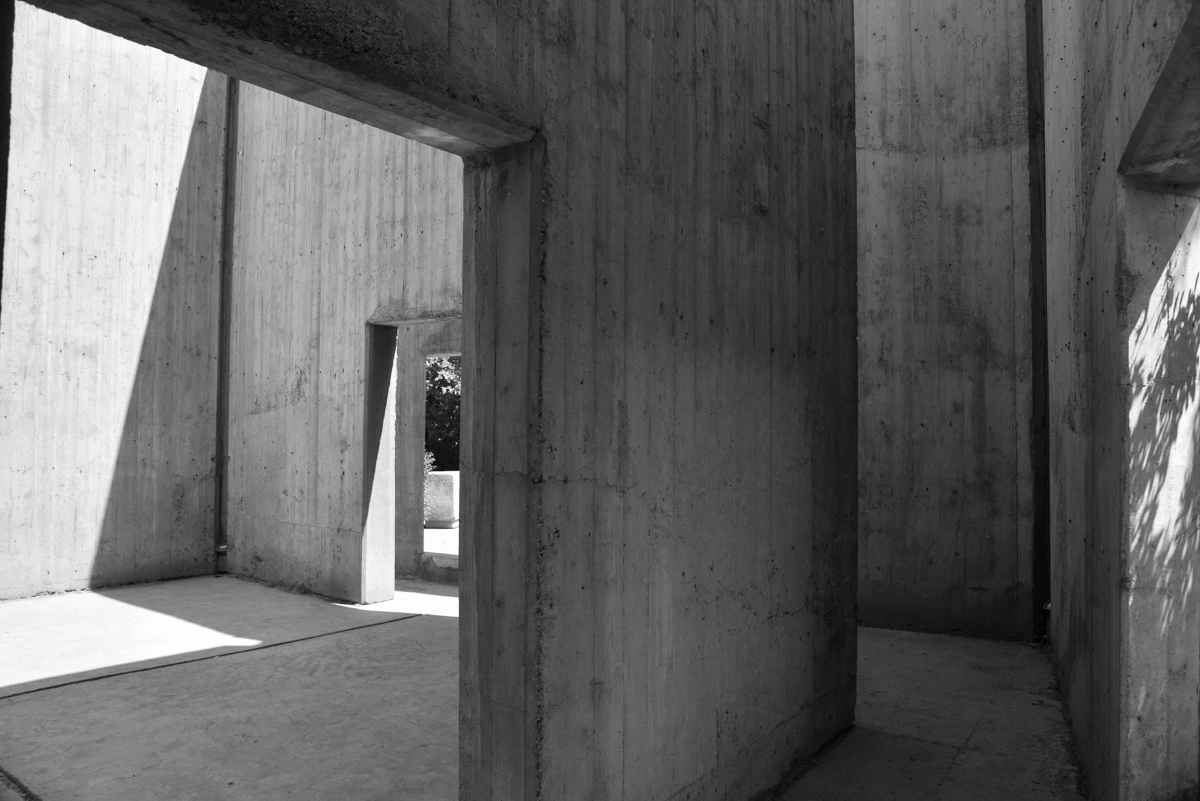
A significant part of the visual language is informed by the work of Tadao Ando, whose architecture reduces materiality to its most essential condition: light. In his spatial logic, walls, surfaces, and volumes are not ends in themselves, but instruments for the articulation of light, shadow, and silence. This reduction of matter to light becomes a fundamental reference for this series.
Each image captures a suspended state in which time is compressed into spatial perception. The absence of human presence is not emptiness, but an active condition that allows space to become readable. In this sense, architecture is understood less as object and more as a field of relations between light, surface, and void.
Rather than describing Japan as a geographic or cultural subject, the work approaches it as a perceptual condition—one shaped through the interplay of light, memory, and silence. The images move between clarity and erasure, constructing a space where identity is never fixed, but continuously formed through perception.
Within this framework, place is not something to be seen, but something to be experienced as an unfolding condition of light.
The Archaeology of an Unfinished Future
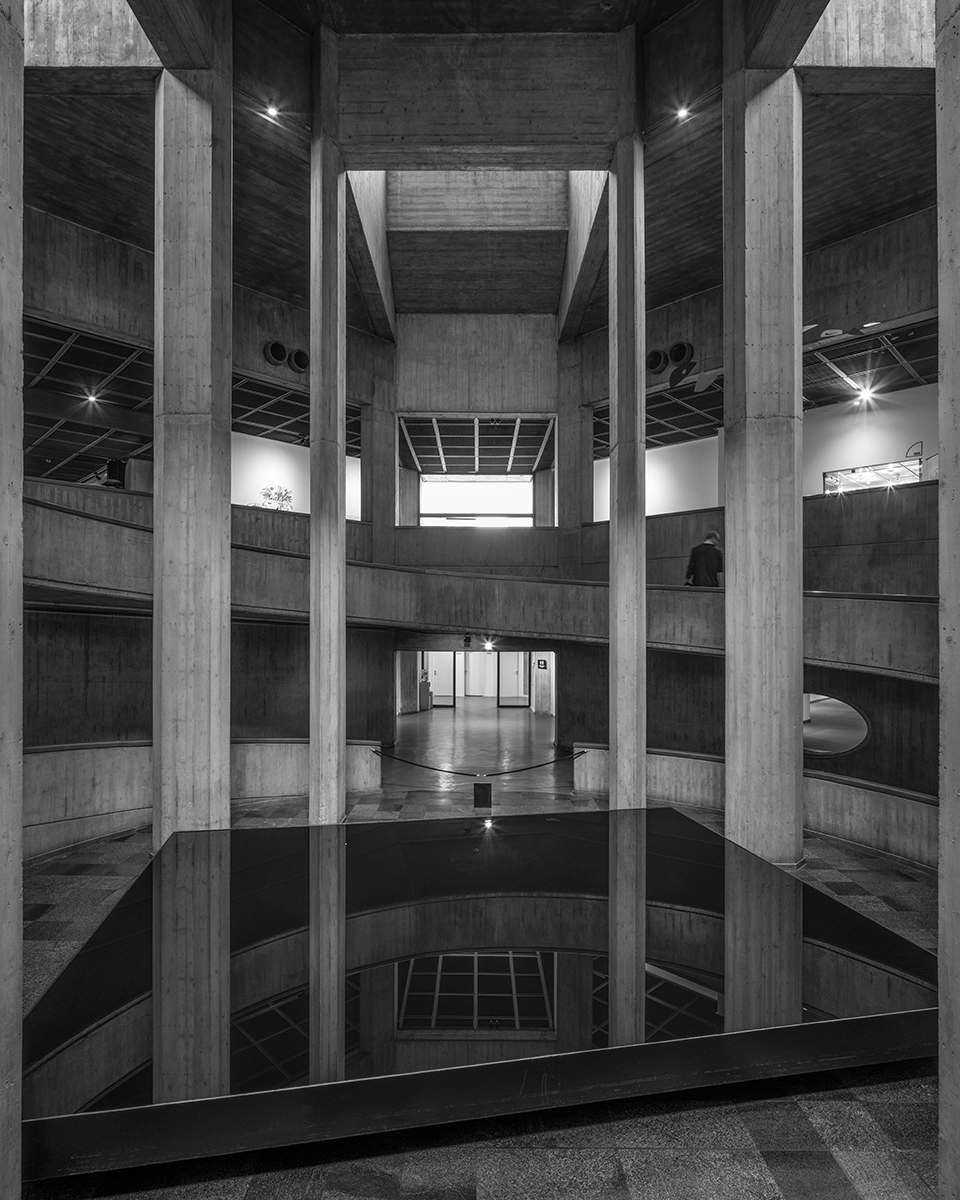
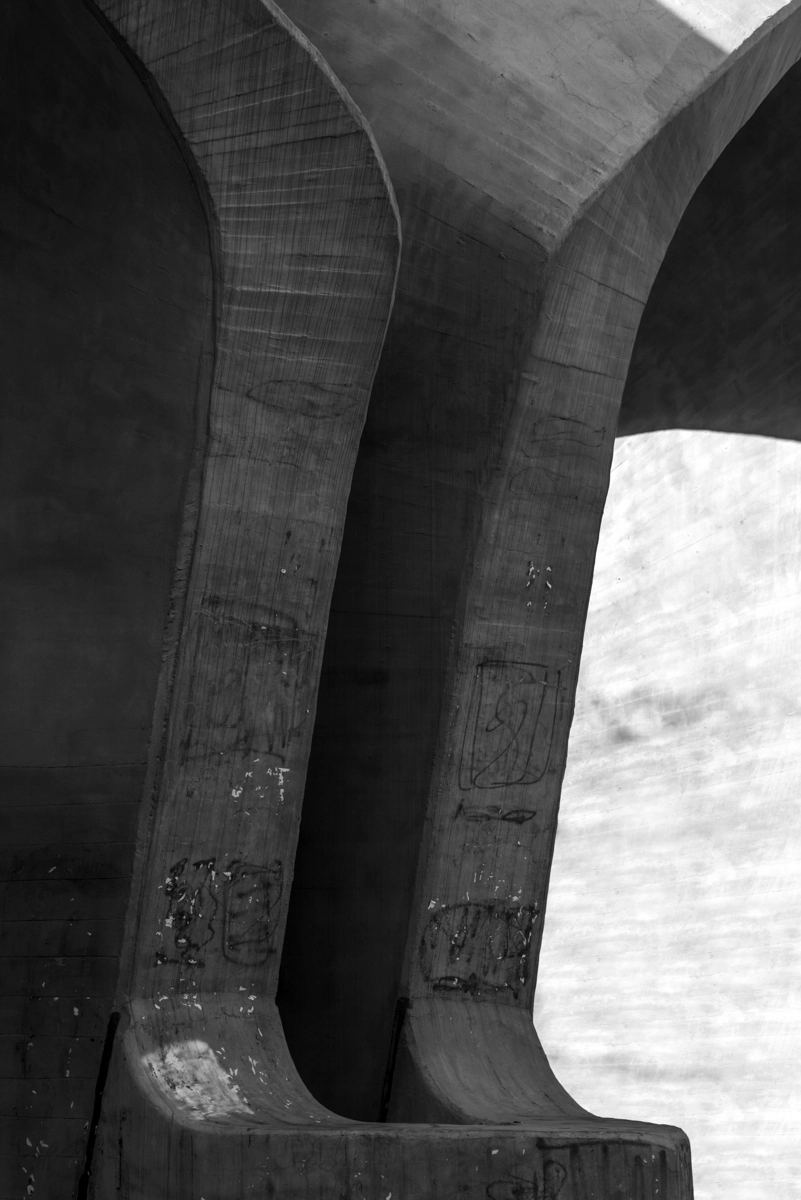
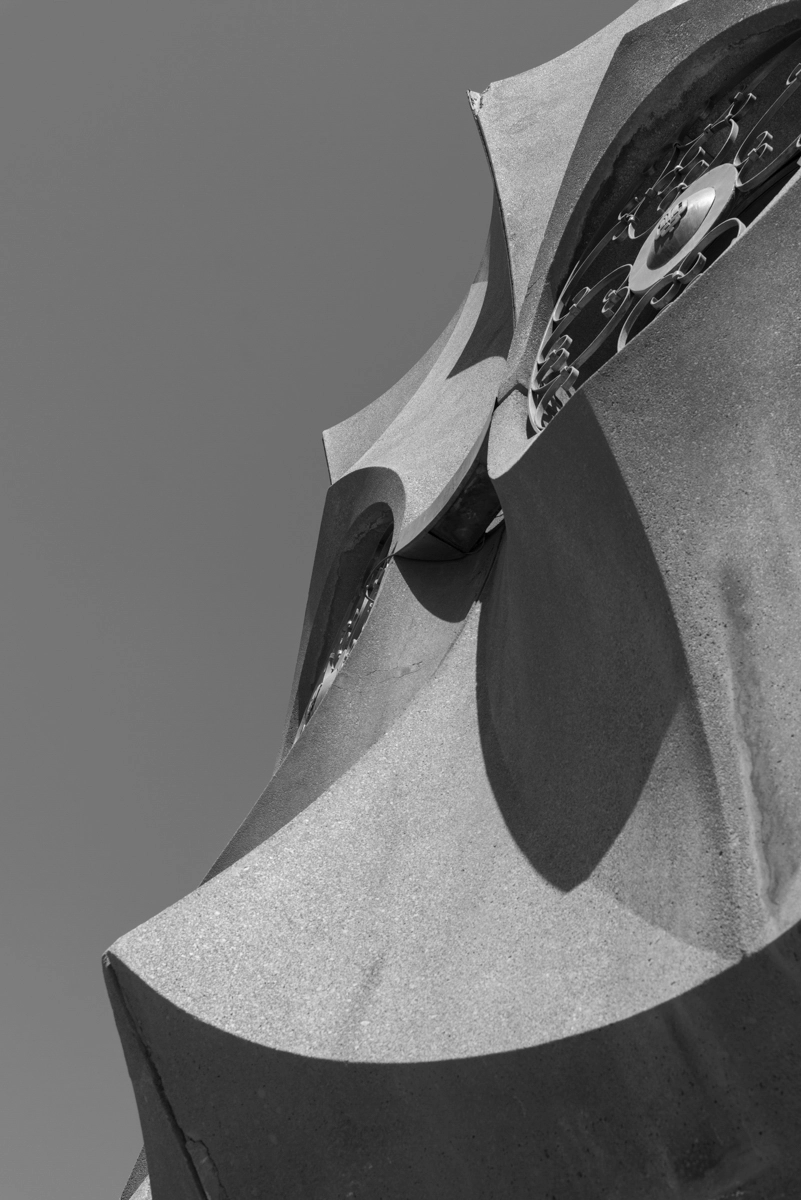
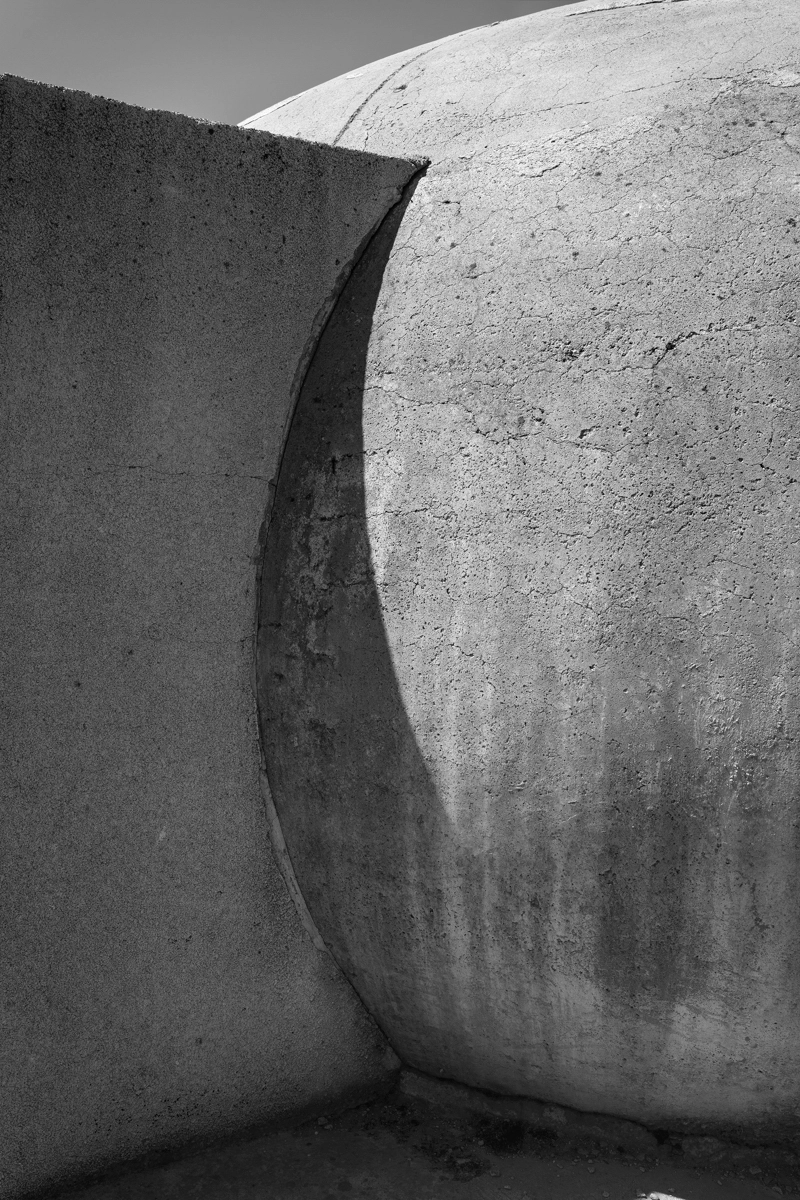
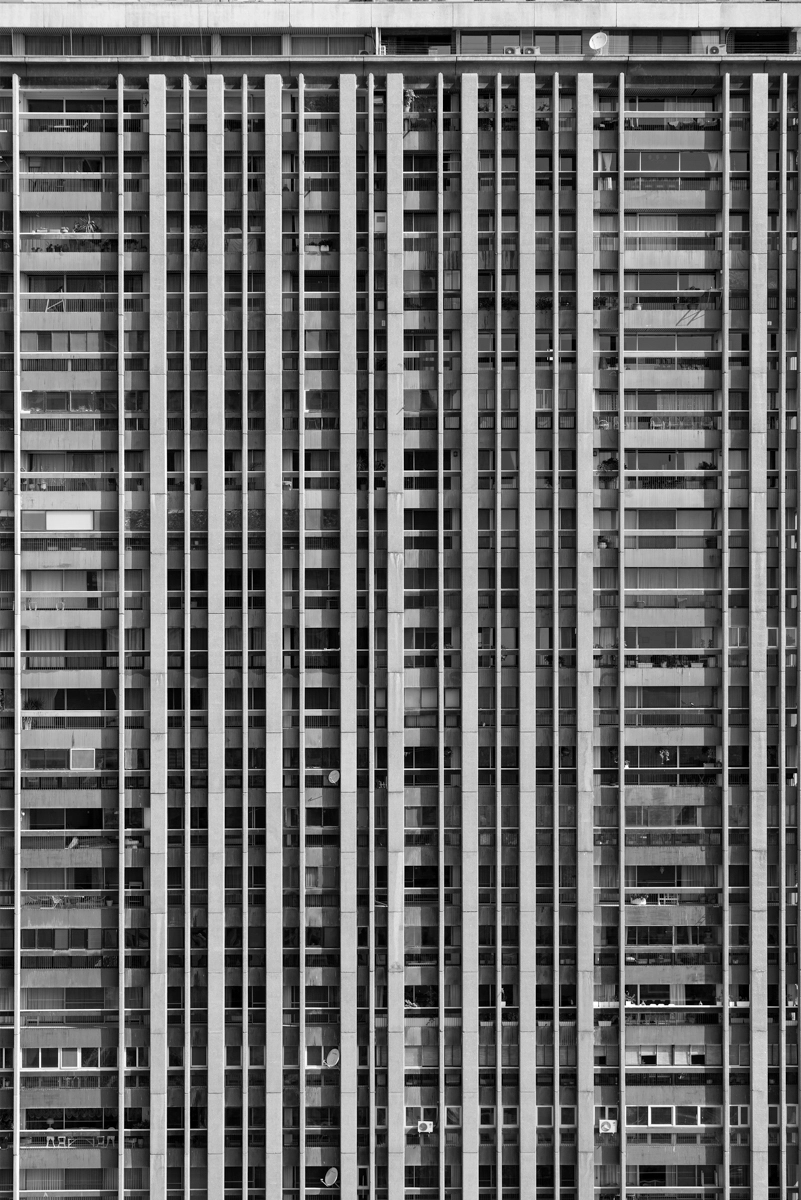
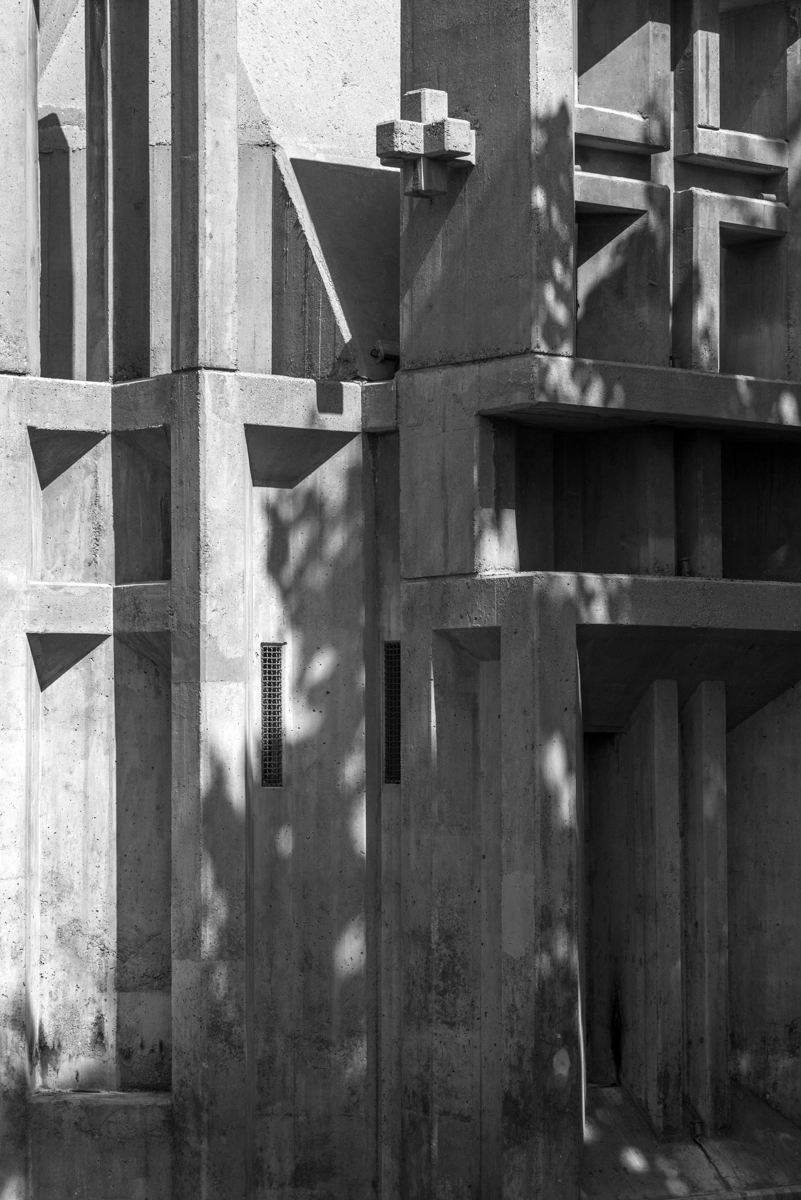
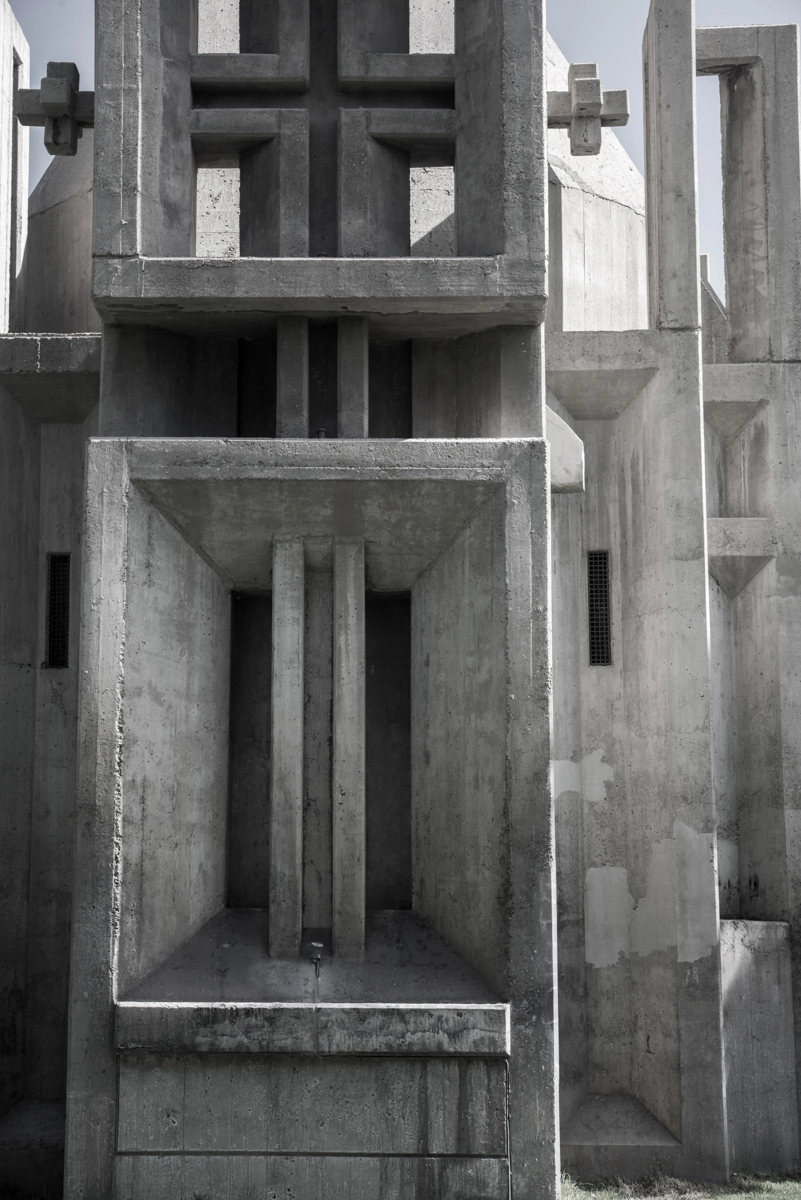
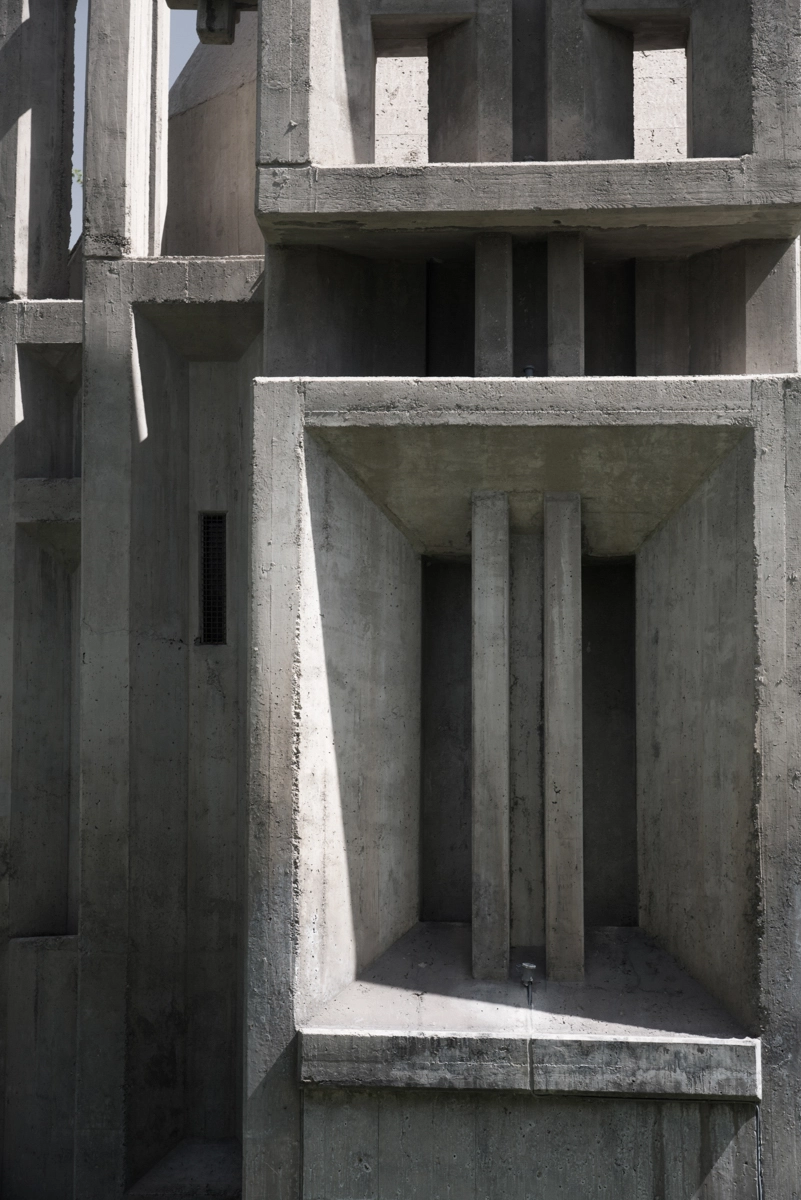
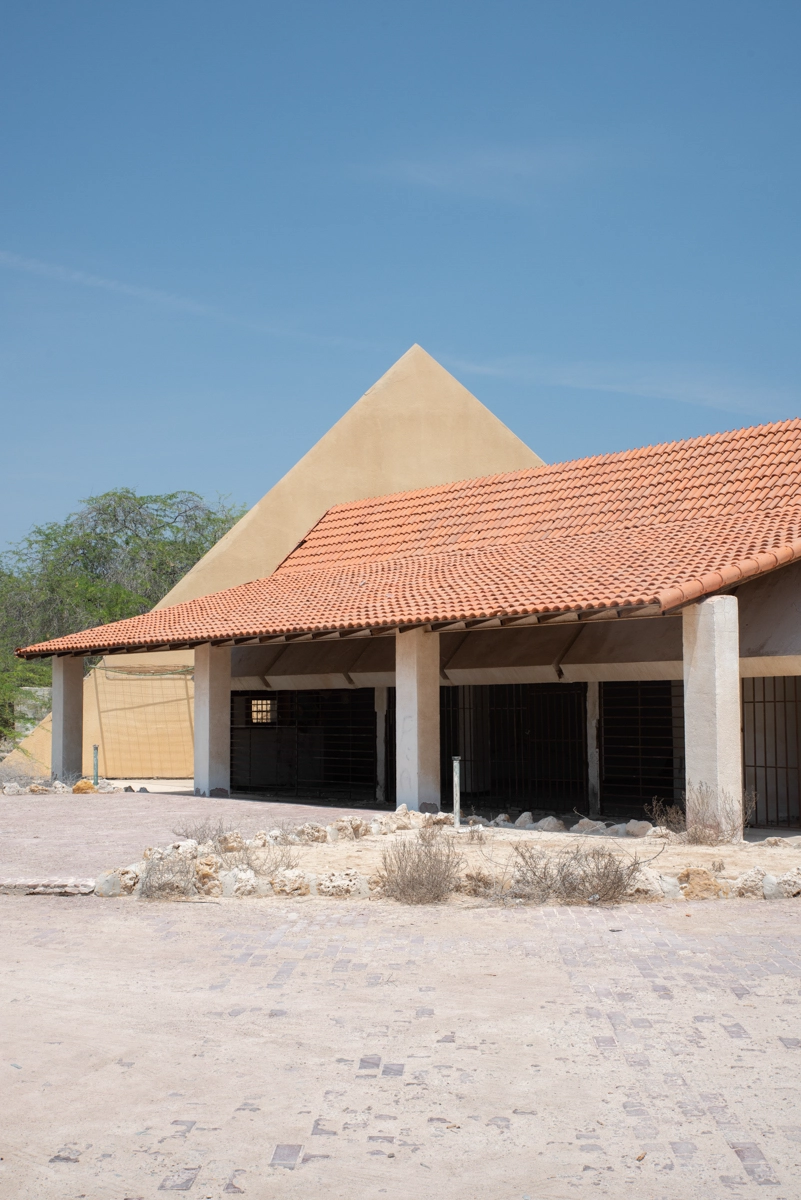
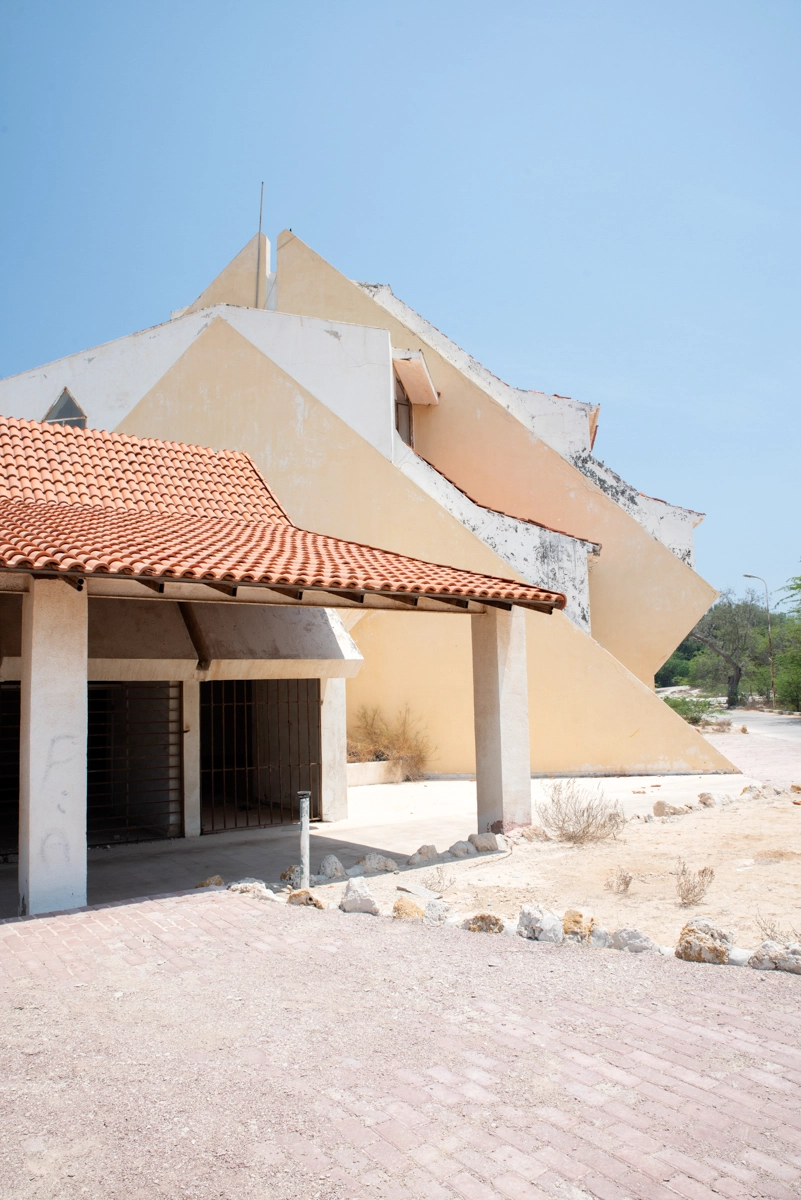
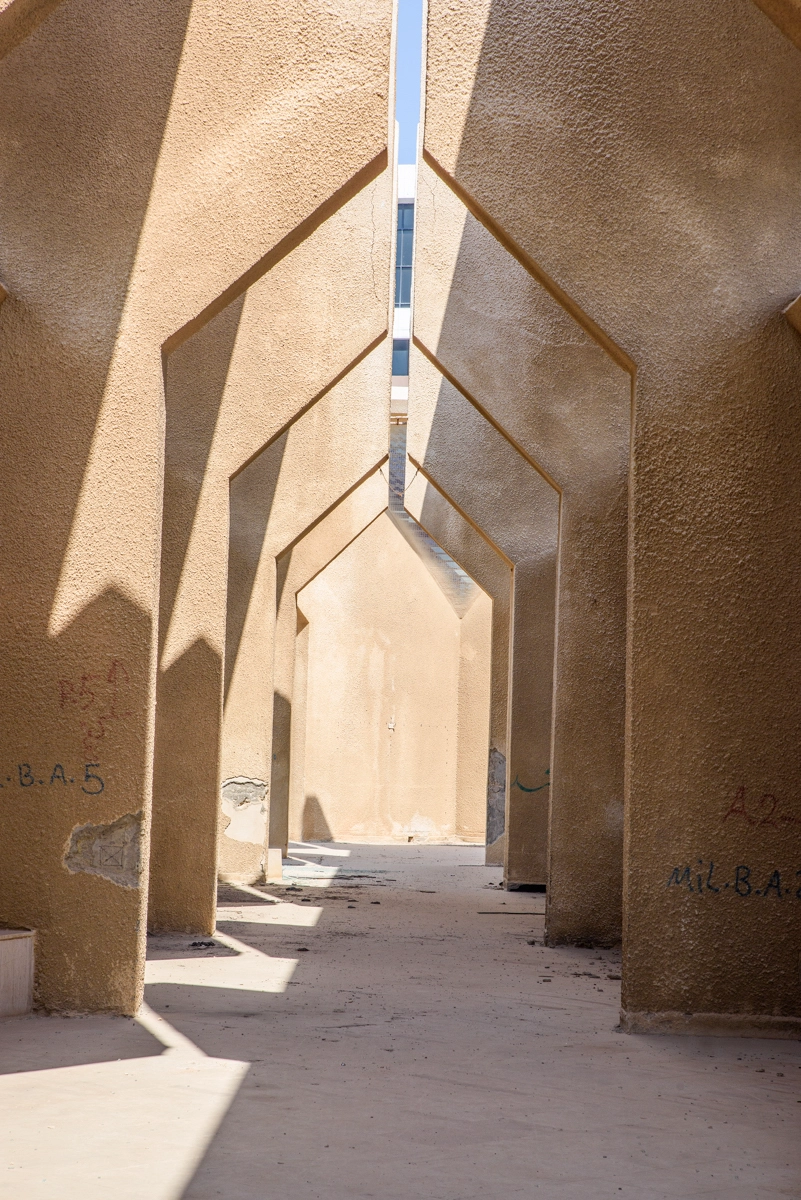
Relics explores the remains of modernist architecture in Iran, not as historical artifacts, but as fragments of an unfinished future. These buildings, constructed during a period of intense optimism and transformation, once embodied a vision of progress, collectivity, and cultural transition. Today, they persist in a suspended state—neither fully preserved nor entirely erased.
Rather than documenting these structures as architectural objects, this project approaches them as sites of memory, where traces of past aspirations intersect with present conditions. The images do not attempt to reconstruct history, but to reveal what remains when a projected future fails to fully materialize.
این مجموعه بر مفهوم «روح مکان» تکیه دارد؛ بهعنوان وضعیتی که فراتر از جغرافیا، فرم و بازنمایی شکل میگیرد. هدف آن ثبت یک مکان مشخص نیست، بلکه آشکار کردن نحوهی ادراک فضا از طریق اتمسفر، نور و غیاب است
بخش مهمی از زبان تصویری این مجموعه تحت تأثیر آثار تادائو آندو است؛ معمار ژاپنیای که در آثارش، ماده را به بنیادیترین وضعیت آن یعنی نور تقلیل میدهد. در منطق فضایی او، دیوارها، سطوح و حجمها هدف نهایی نیستند، بلکه ابزاری برای شکلدادن به نور، سایه و سکوتاند. این تقلیل ماده به نور، یکی از ارجاعات اصلی این مجموعه است
هر تصویر، لحظهای معلق را ثبت میکند که در آن زمان در ادراک فضایی فشرده شده است. نبود حضور انسانی به معنای خلأ نیست، بلکه وضعیتی فعال است که امکان خوانش فضا را فراهم میکند. در این معنا، معماری کمتر بهعنوان یک شیء و بیشتر بهعنوان میدان روابط میان نور، سطح و تهی بودن فهم میشود
این مجموعه به جای آنکه «ژاپن» را بهعنوان یک موضوع جغرافیایی یا فرهنگی بازنمایی کند، آن را بهعنوان یک وضعیت ادراکی بررسی میکند—وضعیتی که از تعامل نور، حافظه و سکوت شکل میگیرد. تصاویر میان وضوح و محوشدگی در حرکتاند و فضایی میسازند که در آن هویت، هرگز ثابت نیست و همواره از طریق ادراک در حال شکلگیری است
در این چارچوب، مکان چیزی برای دیدهشدن نیست، بلکه تجربهای است از گشودگی مداوم نور است
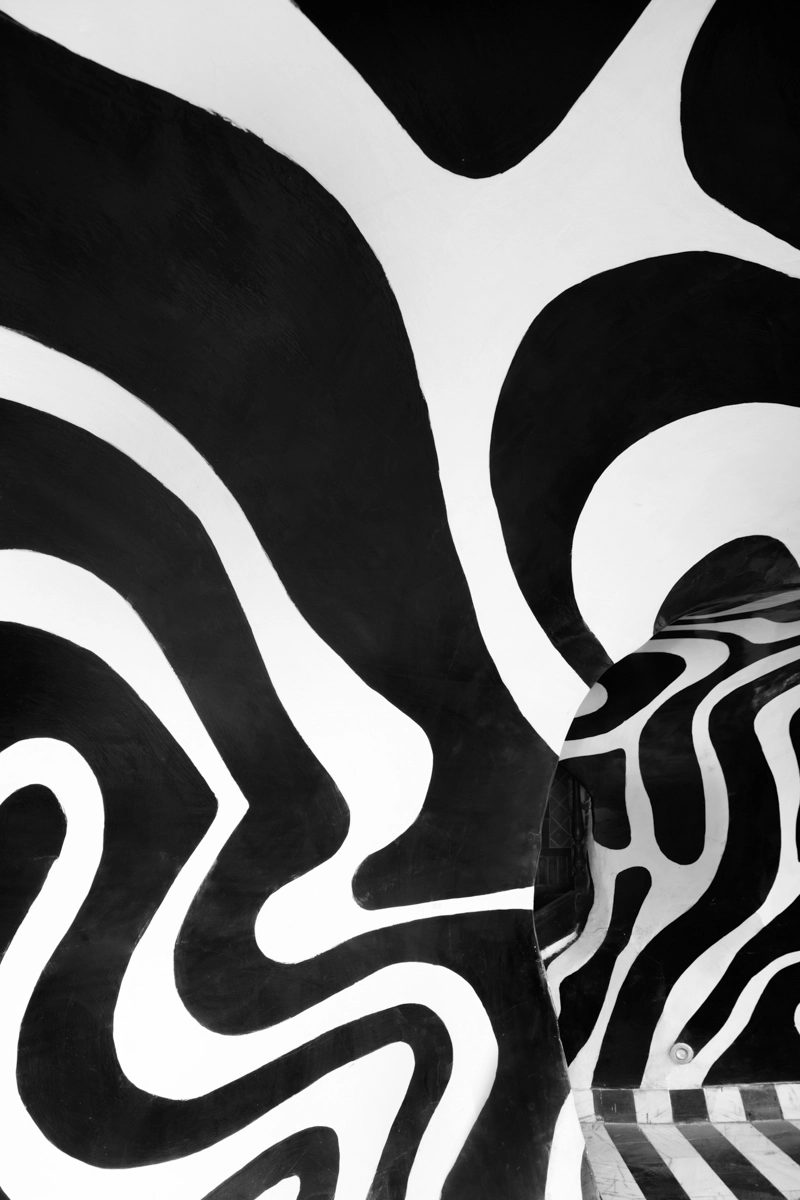
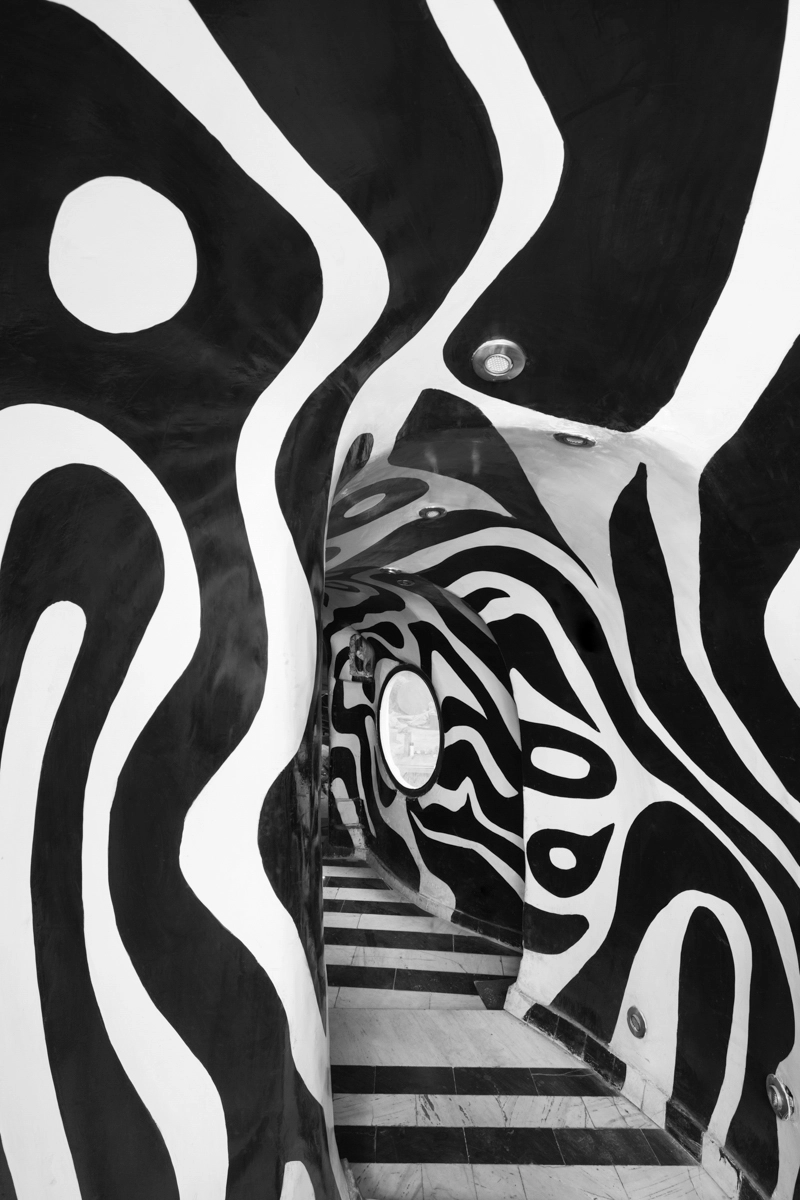
The absence of human figures in these photographs is not an indication of emptiness, but a way to foreground the silent presence embedded in these spaces. Surfaces, textures, and light become carriers of time, holding within them the residue of inhabitation, use, and neglect.
In this context, architecture is no longer understood as a stable form, but as a temporal condition—one that reflects the discontinuities between past, present, and future. The camera does not simply record what is visible, but engages with what is latent: memory, loss, and the persistence of unrealized possibilities.
Relics positions itself at the intersection of architecture, history, and visual research. It asks not what these buildings once were, but what they have become—and what they continue to signify within a broader narrative of modernity, rupture, and transformation.

ریلیک
باستانشناسی یک آینده ناتمام
پروژه «ریلیک» به بررسی بقایای معماری مدرن در ایران میپردازد، نه بهعنوان اشیای تاریخی، بلکه بهعنوان قطعاتی از یک آینده ناتمام. این بناها که در دورهای از امید، تحول و نگاه به آینده ساخته شدهاند، زمانی حامل رؤیای پیشرفت، جمعگرایی و گذار فرهنگی بودند. امروز، آنها در وضعیتی معلق باقی ماندهاند—نه کاملاً حفظ شده و نه بهطور کامل از بین رفتهاند
این پروژه بهجای مستندسازی این ساختمانها بهعنوان ابژههای معماری، آنها را بهعنوان مکانهایی از حافظه در نظر میگیرد؛ جایی که ردپای آرزوهای گذشته با شرایط اکنون تلاقی پیدا میکند. تصاویر تلاشی برای بازسازی تاریخ نیستند، بلکه آنچه را نشان میدهند که پس از ناتمام ماندن یک آینده باقی میماند
حذف حضور مستقیم انسان در این تصاویر نشانهی خلأ نیست، بلکه راهی است برای برجستهکردن حضوری خاموش که در این فضاها نهفته است. سطوح، بافتها و نور، حامل زمان میشوند و رد استفاده، سکونت و فرسودگی را در خود نگه میدارند
در این نگاه، معماری دیگر بهعنوان فرمی ثابت درک نمیشود، بلکه بهصورت وضعیتی زمانی دیده میشود که گسست میان گذشته، حال و آینده را بازتاب میدهد. دوربین صرفاً آنچه را که قابل مشاهده است ثبت نمیکند، بلکه با آنچه پنهان است درگیر میشود: حافظه، فقدان و تداوم امکانهایی که هرگز بهطور کامل تحقق نیافتهاند
«ریلیک» در تقاطع معماری، تاریخ و پژوهش تصویری قرار میگیرد و این پرسش را مطرح میکند که این بناها چه بودهاند، بلکه مهمتر از آن، امروز به چه چیزی تبدیل شدهاند و چه معنایی را در روایت گستردهتر مدرنیته، گسست و دگرگونی حمل میکنند