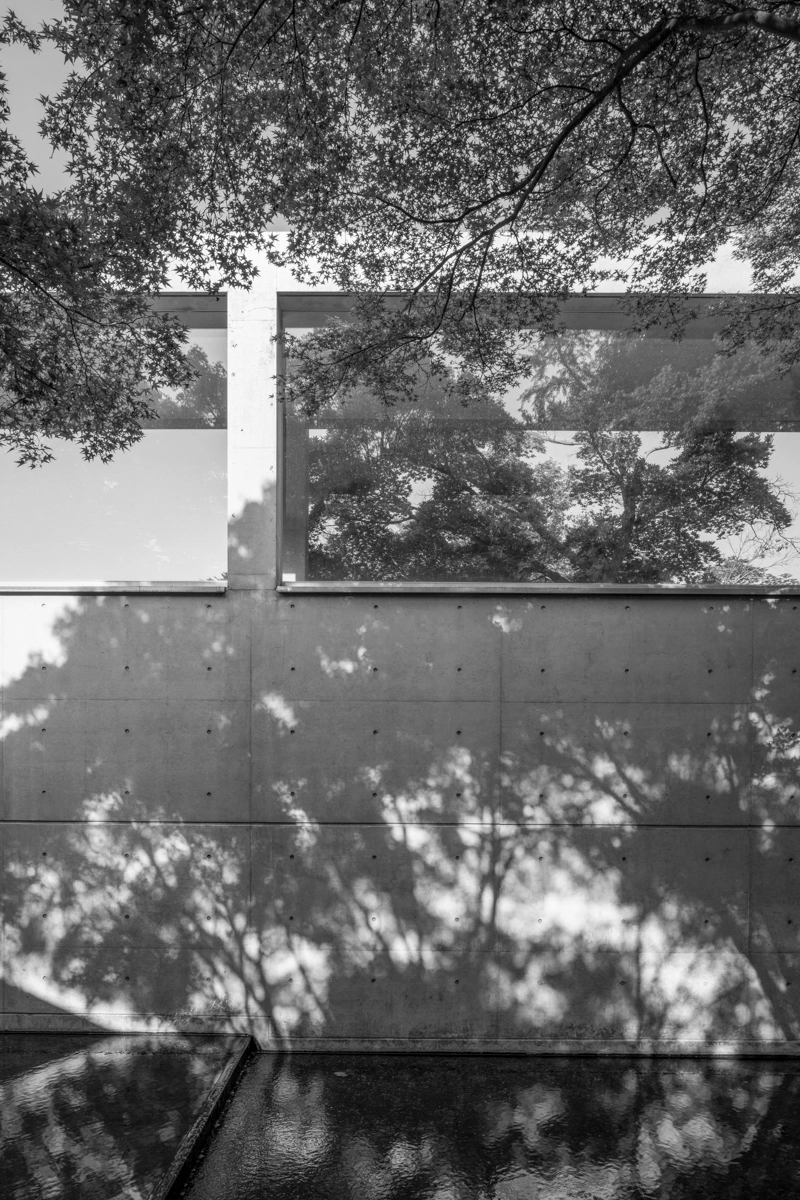
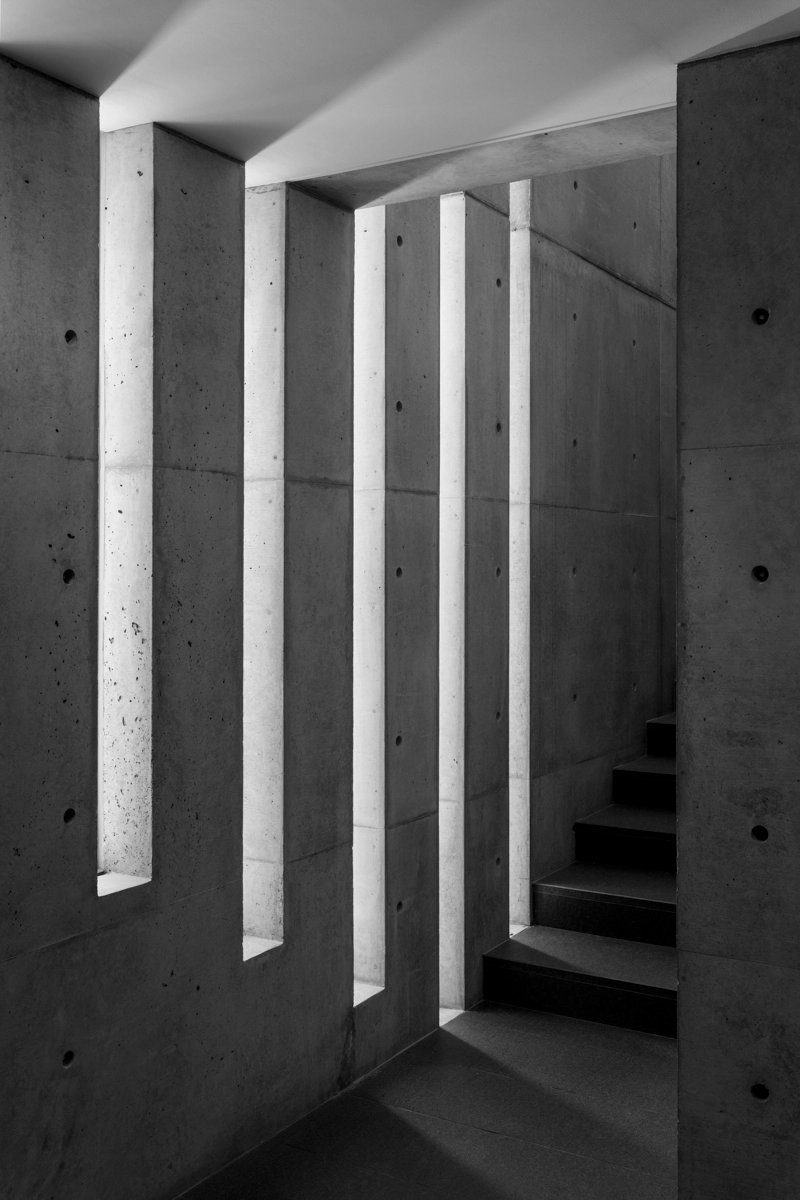
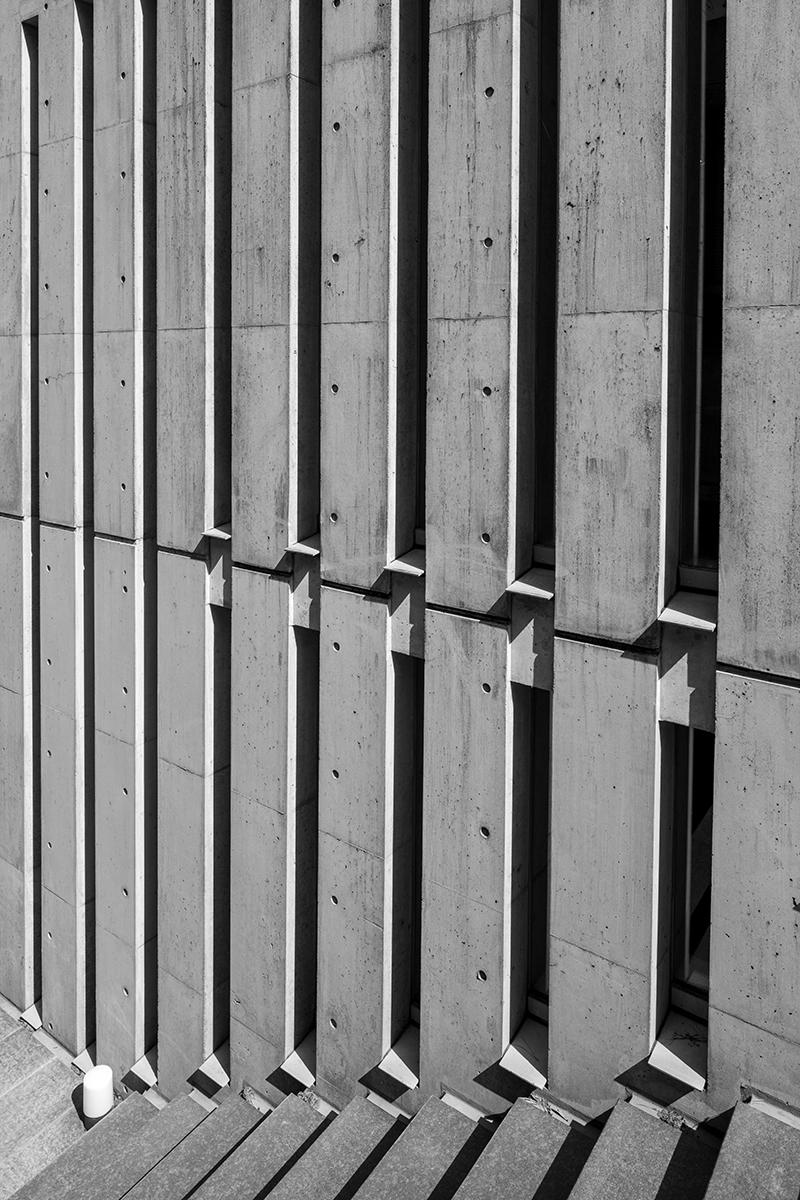
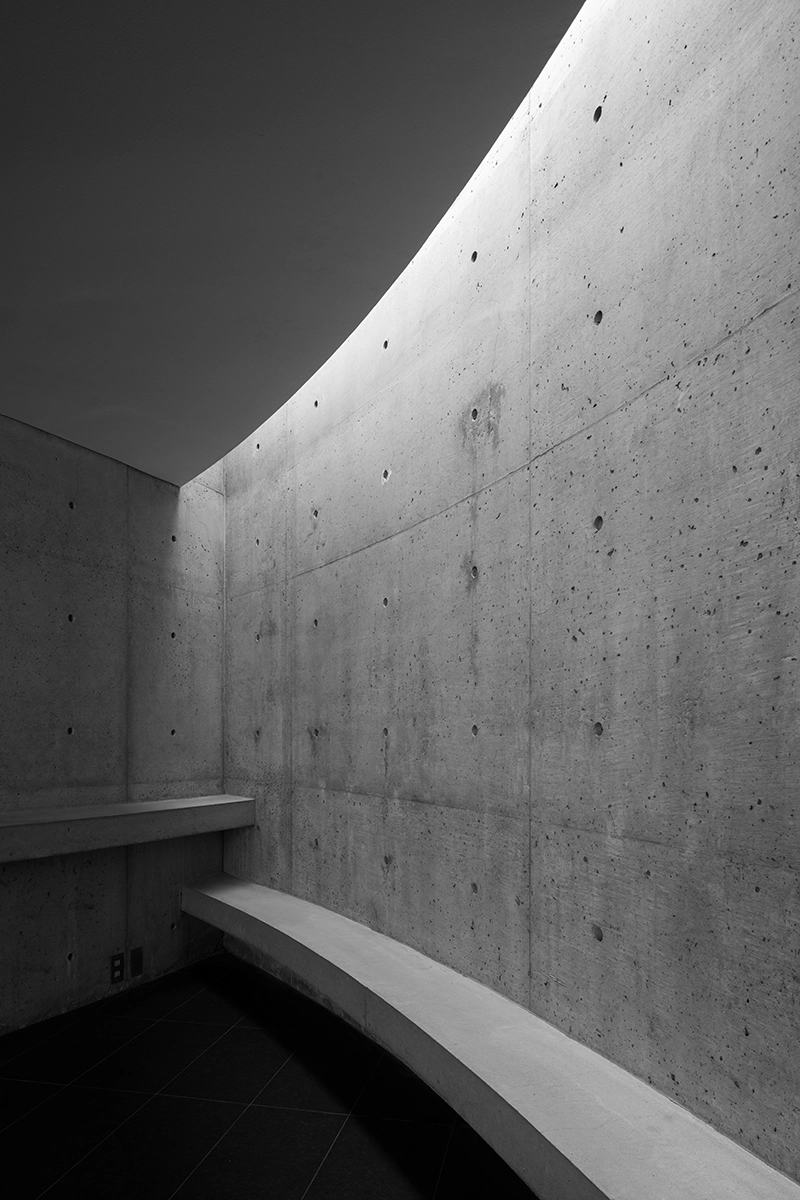
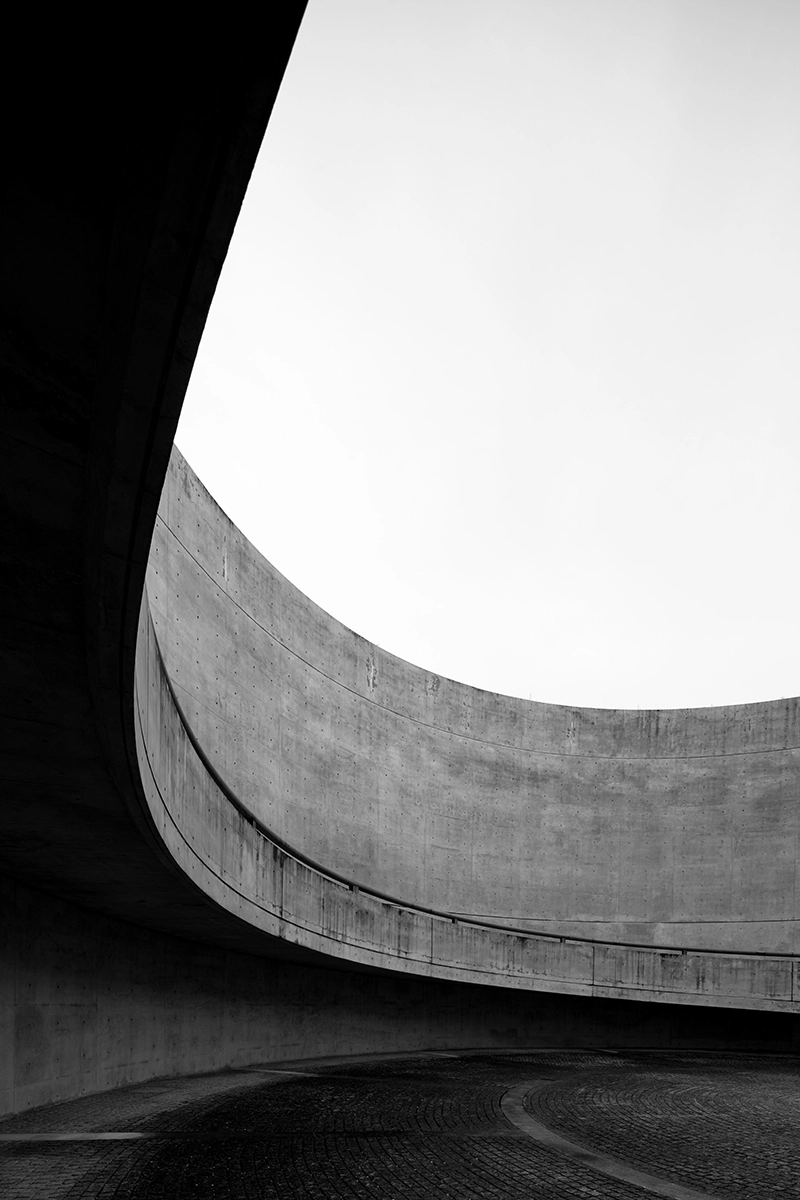
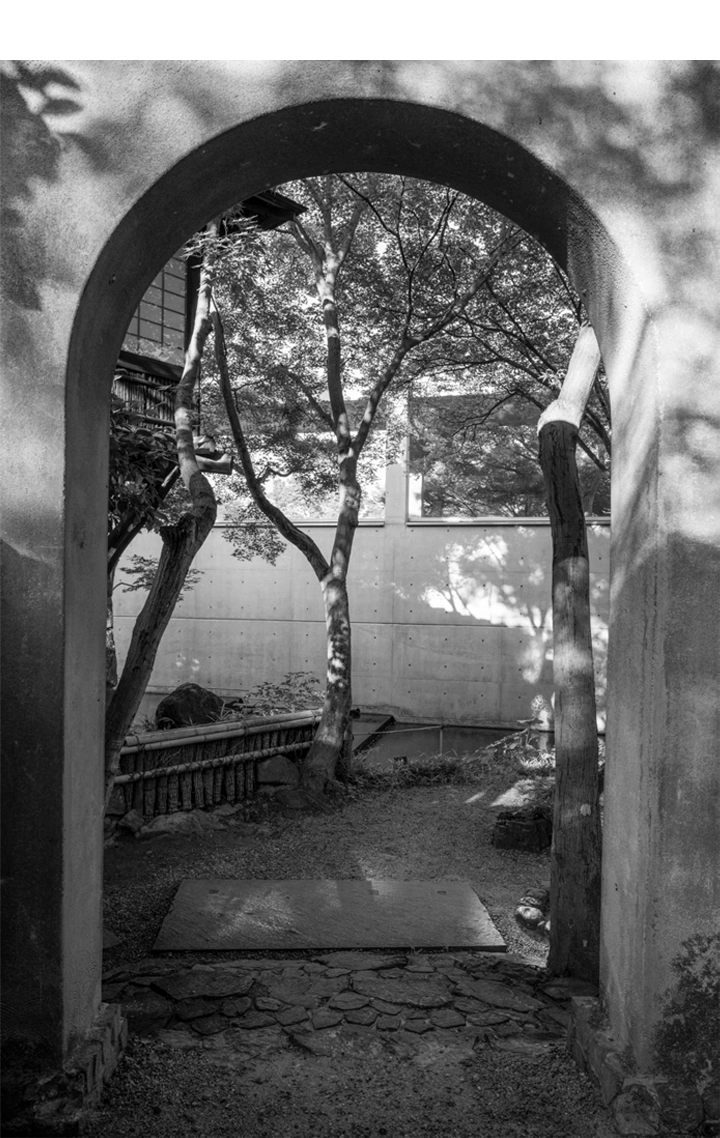
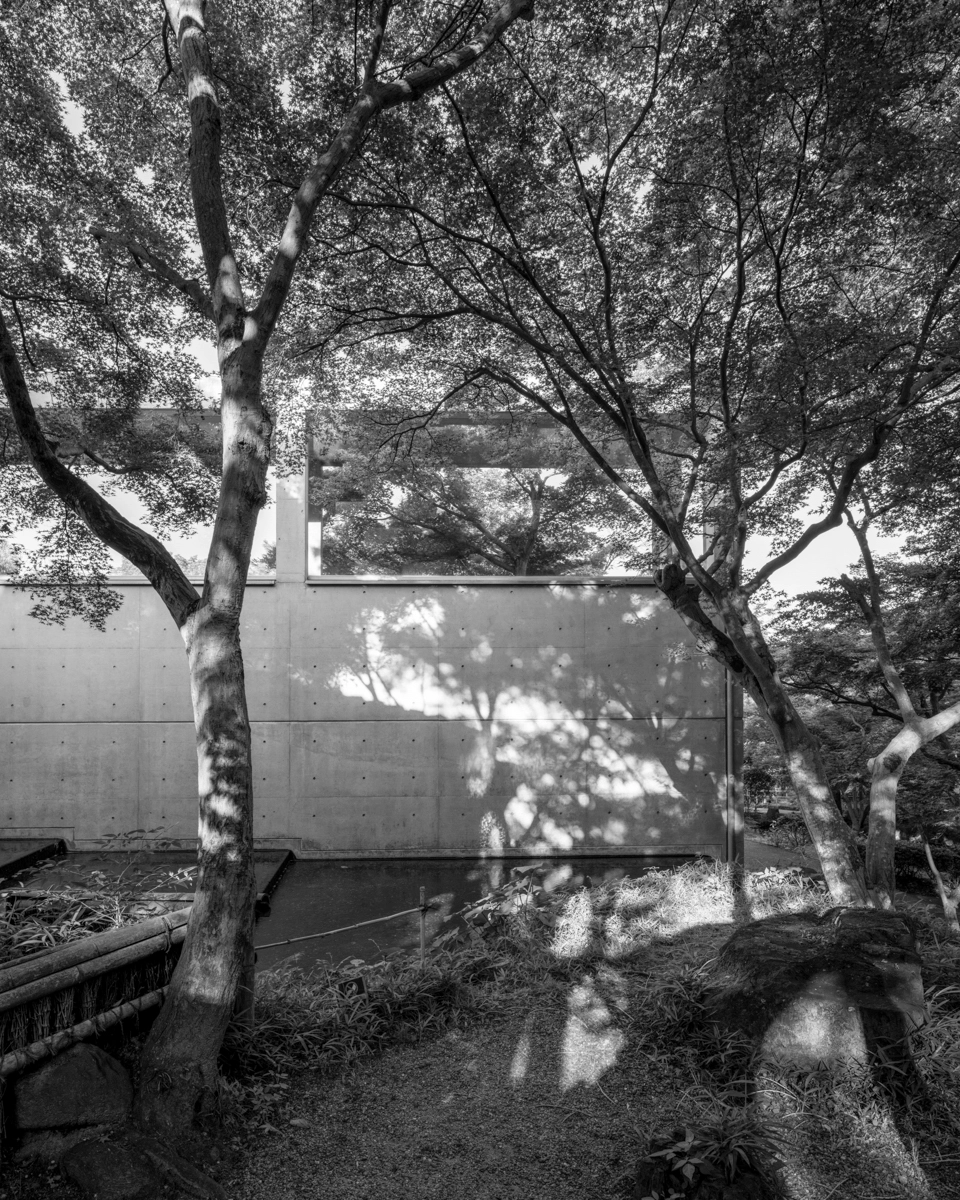
Each image captures a suspended state in which time is compressed into spatial perception. The absence of human presence is not emptiness, but an active condition that allows space to become readable. In this sense, architecture is understood less as object and more as a field of relations between light, surface, and void.
Rather than describing Japan as a geographic or cultural subject, the work approaches it as a perceptual condition—one shaped through the interplay of light, memory, and silence. The images move between clarity and erasure, constructing a space where identity is never fixed, but continuously formed through perception.
Within this framework, place is not something to be seen, but something to be experienced as an unfolding condition of light.